
In a 12-year follow-up of 17,000 patients with opioid use disorder, patients who stayed on medication-assisted treatment (MAT) for at least 6 months had a 50% lower risk of dying from any cause compared to patients who detoxed without medication, according to the NIDA medications research review. For alcohol use disorder, the evidence is similarly strong: medications roughly double the rate of sustained abstinence at one year compared to counseling alone. Yet only about 22% of Americans with opioid use disorder and roughly 8% with alcohol use disorder receive any MAT in a given year.
This guide walks through what MAT actually is, the four FDA-approved medications, how each one works, the persistent myths that keep people from accessing it, and the realistic path to MAT in 2026. Updated April 2026. Medically reviewed by the RehabPulse editorial team. This is informational only and does not replace medical care — actual prescribing decisions belong to a licensed clinician.
What MAT actually is — and what it is not
Medication-assisted treatment is the combination of FDA-approved medications with behavioral therapy and recovery support to treat substance use disorders. The most common applications are opioid use disorder (OUD) and alcohol use disorder (AUD). Newer evidence is also building for stimulant use disorder, though no medication has yet been FDA-approved for that indication.
What MAT is not: a quick fix, a replacement for therapy, or — despite the persistent myth — "just trading one addiction for another." Every major medical organization that has examined this (NIDA, SAMHSA, ASAM, the American Medical Association, the World Health Organization) has explicitly rejected the substitution framing. The reason: people on stable MAT doses can drive, work, parent, and live normal lives. Addiction is defined by compulsive use despite harm — that pattern resolves with appropriate MAT. What looks like dependence on a medication is actually the underlying brain change from years of substance use being managed, similar to the way insulin manages the brain and body changes of diabetes.
Most people don't know: the average gap between someone with opioid use disorder needing MAT and actually starting it is over 5 years. The friction is rarely clinical. It is access, stigma, and lingering misconceptions about what the medications do.
The four FDA-approved medications
Three medications are approved for opioid use disorder, and three for alcohol use disorder (with naltrexone covering both). Here is the side-by-side overview before the detail.
| Medication | Indication | Mechanism | Daily routine | Typical access |
|---|---|---|---|---|
| Buprenorphine (Suboxone, Sublocade) | Opioid use disorder | Partial opioid agonist with respiratory ceiling | Daily sublingual film/tablet, or monthly injection | Any waivered doctor, telehealth in most states |
| Methadone | Opioid use disorder | Full opioid agonist, long half-life (24-36h) | Daily oral dose at OTP, in-person at first | Federally licensed opioid treatment programs only |
| Naltrexone (Vivitrol, ReVia) | Opioid + alcohol use disorder | Opioid receptor antagonist (blocks effect) | Daily pill or monthly injection | Standard prescription, primary care |
| Acamprosate (Campral) | Alcohol use disorder | NMDA receptor modulator, reduces post-acute symptoms | 333 mg tablet, three times daily | Standard prescription, primary care |
Below is the detail on each one — how it works, what it does, and which patient profile fits.
Buprenorphine (Suboxone, Subutex, Sublocade). A partial opioid agonist. Occupies the same brain receptors as heroin, oxycodone, and fentanyl, but with a ceiling on respiratory depression that makes it dramatically safer in combination with other substances. Taken as a daily sublingual film or tablet, or as a monthly injection (Sublocade). The standard first-line MAT for OUD in 2026. Available by prescription from any waivered doctor since the X-waiver was eliminated in 2023, including via telehealth in most states. Our suboxone vs methadone guide covers the comparison in detail.
Methadone. A full opioid agonist with a long half-life (24-36 hours), administered daily at federally licensed opioid treatment programs (OTPs). Strongest evidence base of any addiction medication. Particularly effective for high-tolerance fentanyl users and patients who have not responded adequately to buprenorphine. The access constraint is real — methadone clinics are concentrated in cities, and patients usually attend daily in-person at first.
Naltrexone (Vivitrol, ReVia). An opioid receptor antagonist — the opposite of buprenorphine or methadone. Naltrexone blocks the effect of opioids and alcohol entirely. Used for both OUD and AUD. Available as a daily pill (50 mg) or a monthly injection (380 mg Vivitrol). The naltrexone challenge for OUD is that the patient must be fully opioid-free for 7-10 days before starting, otherwise it triggers immediate severe withdrawal. The naltrexone advantage for AUD is that it can be started without any waiting period and produces no euphoric effect itself.
Acamprosate (Campral). An NMDA receptor modulator that reduces post-acute alcohol withdrawal symptoms — the protracted anxiety, sleep disruption, and cravings that persist for months after acute alcohol detox. Taken as a 333 mg tablet three times daily. No abuse potential, no interactions with most other medications. Particularly useful for patients in the post-detox phase who are abstinent but struggling with cravings and mood. Often combined with naltrexone or counseling.
The fourth medication, disulfiram (Antabuse), is older and works by aversion — it causes severe nausea and flushing when combined with alcohol. It still has a small role for highly motivated patients with strong social support, but the modern evidence-based first-line choices for AUD are naltrexone, acamprosate, or both in combination.
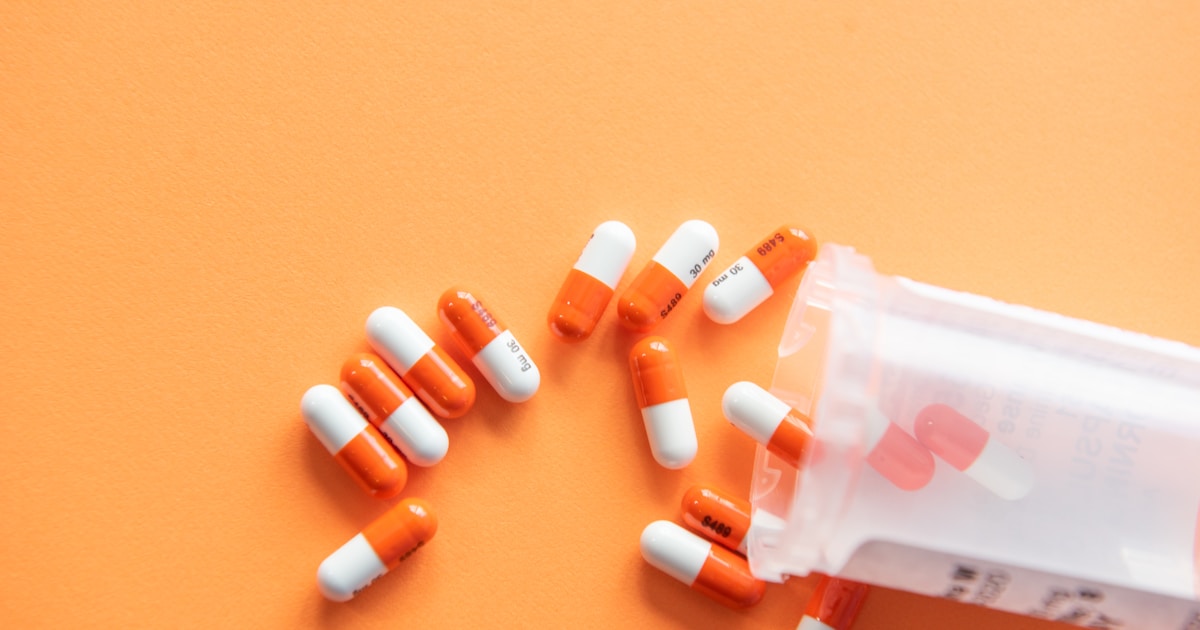
MAT for opioid use disorder — the evidence
The data on MAT for OUD has been overwhelming for more than two decades.
Mortality reduction. Patients with OUD on continuous buprenorphine or methadone for at least 6 months have approximately 50% lower all-cause mortality and 70% lower opioid-overdose mortality than patients who undergo detox without medication. The mortality advantage shows up within months of starting and persists as long as the patient stays on medication.
Treatment retention. At 6 months, retention on buprenorphine is 40-60% and on methadone is 60-75% — both dramatically higher than the 10-15% retention typical of detox-only programs. Time on medication is the single largest predictor of long-term recovery.
Illicit opioid use reduction. Both medications produce 60-90% reductions in illicit opioid use versus pre-treatment baseline. Patients still using occasionally are at far lower risk than untreated patients because the partial blockade and stable receptor saturation reduce both craving frequency and overdose risk.
Naltrexone for OUD. Less commonly used than agonist therapies because of the 7-10 day washout requirement and the higher relapse rate among patients who discontinue. Most useful for patients with strong external motivation (e.g., professional licensing, criminal-justice involvement) and a stable post-detox window.
For someone in active fentanyl withdrawal or recent opioid use, the fentanyl withdrawal symptoms guide explains why MAT — specifically micro-induction onto buprenorphine — is the current standard. Our how long does opioid withdrawal last guide covers the full opioid withdrawal timeline.
MAT for alcohol use disorder — underused but effective
While MAT for OUD has slowly gained acceptance, MAT for AUD remains dramatically underused. Roughly 1 in 12 Americans with AUD receives any medication in a given year, despite robust evidence that medications work.
Naltrexone for AUD. Reduces heavy drinking days by about 25% and increases sustained abstinence by roughly 17% above placebo at 6 months. Works by blocking the reward signal alcohol normally produces — patients report drinking less because alcohol "doesn't do what it used to." Particularly effective for patients with strong reward-system involvement (binge drinkers, family history). Available daily oral or monthly injection.
Acamprosate for AUD. Reduces post-acute withdrawal symptoms — the protracted anxiety, sleep disruption, and cravings that persist for months. Works on glutamate-GABA balance rather than reward. Particularly effective for patients already abstinent who are struggling with maintenance. Three times daily dosing is the main practical constraint.
Combined naltrexone + acamprosate. Increasing evidence that the combination outperforms either medication alone, with no significant interaction concerns. Picture a patient 30 days post-detox: naltrexone reduces the urge to drink if she encounters alcohol, while acamprosate reduces the persistent low-grade craving and sleep disruption between encounters. Together they address two different mechanisms.
Disulfiram for AUD. Use has declined as evidence-based alternatives have grown, but disulfiram remains useful for highly motivated patients with strong social-support structures (a partner who can witness the daily dose, for example). The aversion mechanism — nausea and flushing on alcohol contact — is less elegant than the reward-and-glutamate work of newer medications, but it has the longest track record of any addiction medication.
For someone trying to understand whether their drinking pattern meets the threshold for AUD where MAT becomes relevant, our signs of alcoholism guide walks through the 11 DSM-5 criteria. The AUDIT-10 alcohol self-assessment is the 10-question screener used in clinical settings.
The myths — and why they persist
Three myths keep MAT underused. All three have been formally rejected by every major medical organization, yet they remain stubbornly common in both general culture and some treatment programs.
Myth 1: "MAT is just trading one addiction for another." Addiction is defined by compulsive use despite harm. People on stable MAT doses drive, work, parent, and function normally — by definition, that is not addiction. The brain change from years of opioid or alcohol use is still present; the medication manages it the way insulin manages diabetes. Discontinuing the medication produces "addiction-like" symptoms exactly because the underlying condition is still there. Counterintuitive but well documented: people on MAT have lower rates of compulsive use behaviors than people in detox-only abstinence.
Myth 2: "Real recovery means being completely drug-free." This belief comes from older 12-step traditions and from some treatment programs that built their models before MAT evidence matured. The modern evidence-based position, endorsed by the NIH, SAMHSA, ASAM, and the broader medical community, is that recovery is defined by improvement in functioning, health, and quality of life — not by chemical-free status. A person living a full, stable life on stable buprenorphine is in recovery; a person who has detoxed three times in 18 months without medication is not.
Myth 3: "MAT just enables continued use." Empirically false. Patients on MAT have 60-90% reductions in illicit opioid use, 50% lower mortality, and dramatically higher rates of stable employment, housing, and family functioning. The "enabling" framing is a leftover from pre-evidence eras and persists mostly in some 12-step-only treatment programs that have not updated their model.
The reason these myths persist despite the evidence is complicated — partly cultural inertia, partly the financial structure of some abstinence-only programs, and partly the legitimate observation that MAT alone is not sufficient. MAT plus therapy plus community recovery is the most effective combination; MAT alone, while still better than nothing, leaves clinical value on the table. The modern model is integration, not replacement.
How to access MAT in 2026
For opioid use disorder, MAT is more accessible in 2026 than at any point in U.S. history. Three realistic paths, in rough order of how often they work:
- Telehealth MAT services. Companies like Bicycle Health, Ophelia, Workit Health, and Boulder Care offer buprenorphine prescribing via video visits in most U.S. states, with medication delivered to a local pharmacy. Most accept insurance; cash-pay subscriptions run $200-$400/month including the medication. Right for patients without easy access to a local waivered doctor or who want privacy.
- Primary care doctor. Since the X-waiver was eliminated in 2023, any doctor can prescribe buprenorphine without special training (though most still complete an 8-hour SAMHSA course for familiarity). Many primary care practices, federally qualified health centers, and community clinics now offer buprenorphine. Start by asking your doctor or calling the practice's nurse line.
- Hospital emergency department. In 2026, most U.S. EDs can start buprenorphine on the spot for patients in active opioid withdrawal. This was federally enabled in 2023 and is now standard practice in most urban EDs. Say at triage: "I am in opioid withdrawal and want to start buprenorphine." The ED will administer the first dose, often connecting you with an outpatient bridge prescriber for the following weeks.
For methadone, the access remains constrained to federally licensed opioid treatment programs (OTPs). The SAMHSA OTP directory lists licensed clinics by state.
For alcohol use disorder MAT, primary care is the easiest entry point. Naltrexone and acamprosate require only a standard prescription — no waiver, no special licensing. Many primary care doctors are comfortable prescribing both. If yours is not, a referral to addiction medicine or psychiatry is appropriate.
The SAMHSA national helpline (1-800-662-HELP) connects callers to local MAT providers 24/7, free and confidential. For the broader treatment landscape and how MAT fits into level-of-care decisions, our outpatient vs inpatient rehab guide walks through the placement decision. Picture this: an established MAT patient who has been stable on monthly Sublocade injections for two years and walks into a primary care office for an unrelated visit — by any meaningful definition, that person is in recovery, the same way someone with well-managed hypertension is in cardiovascular health.

For tracking progress in the early months on MAT, a day-by-day sobriety tracker makes the invisible improvement visible. Most patients on stable MAT see clear sleep, mood, and energy improvements by week 4-6 — easier to see in a log than in memory.
Other resources on RehabPulse:
Frequently asked questions
Is MAT just trading one addiction for another? No. Every major medical organization — NIDA, SAMHSA, ASAM, the AMA, the WHO — has formally rejected this framing. People on stable MAT doses can drive, work, parent, and function normally; by definition that is not addiction. The medication manages the underlying brain changes from years of substance use, similar to insulin managing diabetes.
How long do people stay on MAT? Current evidence supports treatment for at least 12 months minimum, with many patients staying on medication for several years or indefinitely. Discontinuation under 12 months is associated with high relapse rates. There is no medical "limit" to how long someone can stay on MAT safely — long-term outcomes are best when the medication continues as long as it is providing benefit.
Does insurance cover MAT in 2026? Yes. Under the Mental Health Parity and Addiction Equity Act, addiction medications must be covered at parity with other prescriptions. Most ACA marketplace plans, employer plans, Medicaid, Medicare, and VA cover both buprenorphine (generic and brand) and methadone at OTPs, as well as naltrexone, acamprosate, and disulfiram for AUD. Coverage details vary by plan — call the behavioral health number on your insurance card to confirm.
What is the difference between MAT for opioids and MAT for alcohol? The medications and mechanisms differ. Opioid MAT uses buprenorphine or methadone (occupying opioid receptors to prevent withdrawal and craving) or naltrexone (blocking the receptors entirely). Alcohol MAT uses naltrexone (blocking the reward signal), acamprosate (reducing post-acute symptoms), or disulfiram (causing aversive reaction to alcohol). Both have strong evidence bases.
Can I start MAT during active withdrawal? For buprenorphine and methadone, yes — both are typically started during the early-to-mid withdrawal window. For buprenorphine, the patient needs to be in mild-to-moderate withdrawal (about 12-24 hours after last short-acting opioid, longer for fentanyl) to avoid precipitated withdrawal. For naltrexone, the patient must be fully opioid-free for 7-10 days before starting. For alcohol MAT, naltrexone and acamprosate can be started immediately after medical detox; disulfiram is started after a brief abstinent period.
Sources and references
- National Institute on Drug Abuse (NIDA). Medications to Treat Opioid Addiction — research review of buprenorphine, methadone, and naltrexone mortality and retention data. nida.nih.gov/publications/research-reports/medications-to-treat-opioid-addiction
- Substance Abuse and Mental Health Services Administration (SAMHSA). Medications for Opioid Use Disorder — Treatment Improvement Protocol (TIP) 63. store.samhsa.gov
- SAMHSA. National Helpline — 1-800-662-HELP (4357), free, confidential 24/7 treatment referral. samhsa.gov/find-help/national-helpline
- SAMHSA. Opioid Treatment Program (OTP) Directory. dpt2.samhsa.gov/treatment/directory.aspx
- American Society of Addiction Medicine (ASAM). Clinical Practice Guideline on Alcohol Withdrawal Management. asam.org/quality-care/clinical-guidelines
- National Institute on Alcohol Abuse and Alcoholism (NIAAA). Treatment for Alcohol Problems: Finding and Getting Help. niaaa.nih.gov
- Centers for Medicare & Medicaid Services (CMS). Mental Health Parity and Addiction Equity Act (MHPAEA) overview. cms.gov