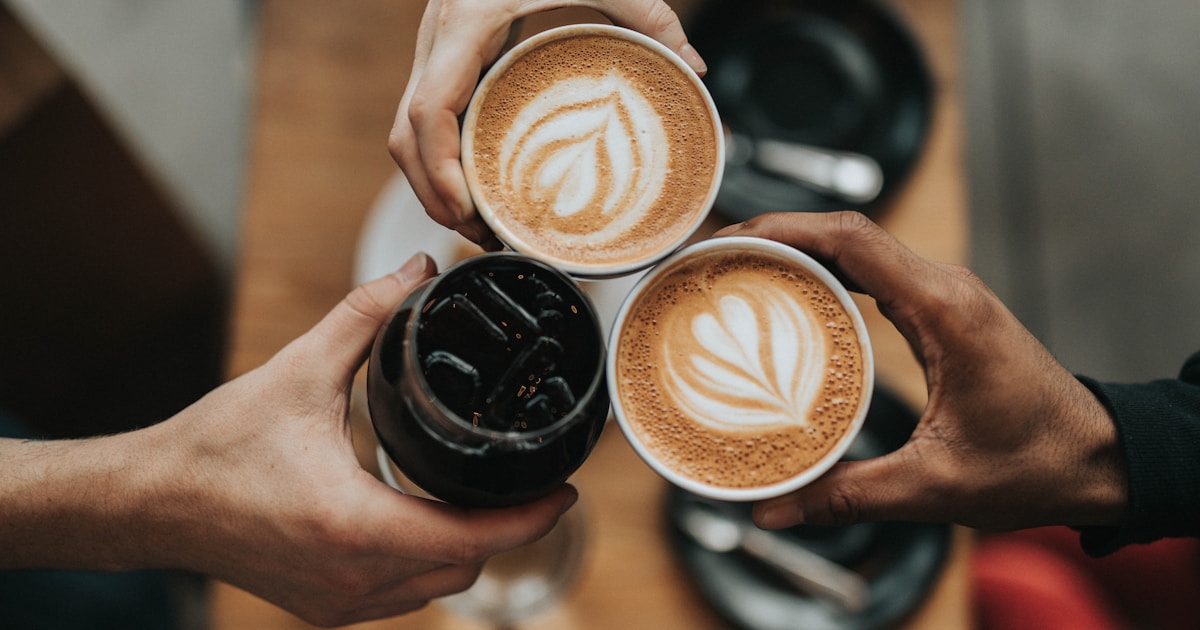
Most recovery clinicians suggest waiting about 12 months before starting a new romantic relationship in early recovery — not as a moralistic rule, but because new relationships activate the same reward circuitry that addiction hijacked, and the emotional intensity of early dating is a documented relapse risk, consistent with the NIDA understanding of the reward system in recovery. The "one year" guideline is widely debated and not absolute, but the underlying caution is real: dating in early recovery is genuinely harder and riskier than dating in stable life, and going in aware of why protects the recovery.
This guide walks through the timing question, what and when to disclose, how to handle alcohol-centered dating culture, and how to build relationships that support rather than threaten recovery. Updated April 2026. Medically reviewed by the RehabPulse editorial team. This is informational only and not a substitute for the guidance of a therapist or sponsor.
The 60-second answer
| Question | Practical guidance |
|---|---|
| When to start dating? | Common guidance is ~1 year of stable recovery; individual, discuss with therapist/sponsor |
| Why wait? | New-relationship reward intensity activates the same circuitry addiction hijacked |
| What to disclose? | Recovery status eventually; timing is personal; honesty before serious commitment |
| Alcohol-centered dates? | Choose sober-friendly activities; have an exit plan; a partner who respects sobriety is the test |
| Dating apps? | Some allow "sober" in profile; growing sober-dating communities |
| Biggest risk | Replacing the substance reward with a relationship reward (love addiction pattern) |
| Biggest green flag | A partner who supports — not just tolerates — your recovery |
The single most important practical fact: the goal is not to avoid relationships forever, but to enter them when recovery is stable enough that a breakup or relationship stress will not become a relapse. Most people don't know that new relationships are a relapse risk precisely because they feel so good — the dopamine surge of early romance lands on a reward circuit still recovering from addiction, and the crash of a breakup can hit a vulnerable system hard. Timing the start for after stabilization is the protective move.
The timing question — why "wait a year" exists
The "wait one year before dating" guidance is one of the most commonly repeated and most debated pieces of recovery folk wisdom. Understanding the reasoning behind it matters more than following it rigidly.
The reasoning:
- New relationships activate the reward circuit. Early romance produces a dopamine and oxytocin surge that lands on a reward system addiction has down-regulated and is still rebuilding. The intensity can be destabilizing in a way it would not be for someone in stable recovery. Our how addiction affects the brain guide covers the reward-circuit recovery.
- Breakups are a relapse risk. Early-recovery emotional regulation is fragile. The crash of a breakup — rejection, loss, grief — can hit hard enough to drive relapse, especially in the first year when coping skills are still being built.
- Identity is still forming. Early recovery is partly about rebuilding a sense of self apart from the substance. A new relationship can short-circuit that process, building the new identity around the partner rather than around the person's own recovery.
- Energy is finite. Early recovery demands significant energy — meetings, therapy, structure, the work of staying sober. A new relationship demands energy too. The concern is that the relationship pulls energy from the recovery work at the moment that work is most fragile.
That said, the "one year" number is not a clinical absolute. Some people in stable, well-supported recovery date earlier without problems; some need longer. The honest version of the guidance: be cautious about new relationships in early recovery, understand why they carry risk, and make the timing decision with input from a therapist or sponsor rather than purely on impulse.
Picture this: a person four months sober who falls intensely for someone new, reorganizes their schedule around the relationship, skips meetings to spend time together, and three months later — when the relationship ends — has neither the relationship nor the recovery structure they let slide. This is the pattern the "wait a year" guidance is trying to prevent. The relationship itself was not the problem; letting it crowd out the recovery foundation was.
What and when to disclose
Disclosure of recovery status is one of the most common anxieties about dating in sobriety. There is no single right answer, but there are useful principles.
- You don't owe a first date your full history. Recovery status is personal medical information. Early dates do not require disclosure of the details. "I don't drink" is a complete and acceptable statement on a first date.
- Honesty before serious commitment. As a relationship moves toward seriousness, honesty about being in recovery becomes important — both for the relationship's foundation and because a partner's response to your recovery is critical information about whether the relationship will support it.
- The disclosure is also a test. How a potential partner responds to learning you are in recovery tells you a great deal. A response of respect and support is a green flag; a response of dismissiveness, pressure to drink, or discomfort with your sobriety is important information early.
- Match disclosure to readiness. Some people are comfortable being open about recovery from the first conversation; some prefer to wait until trust is established. Both are valid. The principle is honesty before deep commitment, not maximal disclosure immediately.
For the broader question of honesty in recovery relationships, our enabling vs supporting addiction guide covers the relational dynamics that support recovery, and our how to talk to addicted family members guide covers honest communication patterns.
Handling alcohol-centered dating culture
Mainstream dating culture is heavily alcohol-centered — "let's grab drinks" is the default first-date suggestion. Navigating this is a practical skill for dating in sobriety.
- Suggest sober-friendly activities. Coffee, a walk, a hike, a museum, a meal, an activity (climbing gym, mini golf, a class). Proposing the activity yourself sidesteps the default drinks suggestion and often makes for a better date anyway — it is hard to actually get to know someone over loud bar drinks.
- Have a simple line ready. "I don't drink" needs no justification. If pressed, "it's just not for me" or "I feel better without it" closes the topic. A date who keeps pushing after a clear "no" is showing you something important.
- Have an exit plan. If a date does end up somewhere alcohol-heavy and it feels uncomfortable or triggering, having a pre-decided exit (a reason to leave, a ride arranged, a sober friend on call) protects the recovery. There is no obligation to stay in a situation that threatens your sobriety.
- The partner's respect is the real test. The single most important green flag in dating during recovery is a partner who genuinely respects and supports your sobriety — not one who merely tolerates it or, worse, subtly pressures you to "just have one." A supportive partner makes recovery easier; an unsupportive one is a standing relapse risk.
Imagine a first date at a climbing gym instead of a bar: two hours of actual shared experience, real conversation, and a clear read on whether you connect — none of it mediated by alcohol. Most people don't know that choosing sober activities often improves dating rather than limiting it. Alcohol-centered dating can mask incompatibility (the drinks do the social work); sober dating reveals whether two people actually connect. Many people in recovery report that their dating improved in sobriety because it became real.
The love-addiction trap and how to avoid it
A specific risk in recovery dating deserves direct attention: replacing the substance with the relationship as the source of reward and escape. The pattern — sometimes called love addiction or relationship dependency — involves using the intensity of romance to fill the same void the substance filled, with the same compulsive, escalating, consequence-blind quality.
Signs of the pattern:
- The relationship becomes the primary coping mechanism for stress and emotion, replacing recovery skills.
- Recovery activities (meetings, therapy, sober friends) get crowded out by the relationship.
- The emotional highs and lows of the relationship feel like the most important thing, eclipsing other priorities.
- A breakup feels catastrophic in a way that threatens sobriety.
The protection against this pattern is the same as the protection for recovery generally: maintain the recovery foundation regardless of the relationship. Keep attending meetings, keep seeing the therapist, keep the sober friendships, keep the structure. A healthy recovery relationship sits alongside the recovery work; an unhealthy one replaces it. Our relapse prevention strategies guide covers maintaining the foundation through life changes.

Building relationships that support recovery
The positive frame: dating in sobriety, done with awareness, can produce healthier relationships than dating in active addiction ever could. The practical principles for relationships that support recovery:
- Date from stability, not from need. Enter relationships when recovery is stable enough that the relationship is an addition to a full life, not a rescue from an empty one.
- Keep the recovery foundation intact. Meetings, therapy, sober friends, structure — these continue regardless of the relationship. A partner who supports this is the right partner.
- Choose partners who support sobriety. This is the single most important compatibility factor for someone in recovery. A supportive partner is a recovery asset; an unsupportive one is a liability.
- Go slow. The intensity of early romance is exactly what makes it risky in recovery. Slowing the pace protects against both the love-addiction trap and the destabilization of moving too fast.
- Use your support network. A sponsor or therapist who knows you are dating can help you see patterns you might miss — including whether a relationship is supporting or undermining your recovery.
For the broader recovery-lifestyle picture, our first 30 days sober guide and sober living homes guide cover the foundation that dating should sit alongside. The SAMHSA national helpline (1-800-662-HELP) is free, confidential, 24/7 for any recovery support need. Other resources on RehabPulse:
Frequently asked questions
Should I really wait a year to date in recovery? The "one year" guideline is common but not an absolute clinical rule. The reasoning is sound: new relationships activate the reward circuitry addiction hijacked, breakups are a relapse risk during fragile early recovery, and dating can crowd out recovery work. Some people in stable, well-supported recovery date earlier without problems; some need longer. The honest version: be cautious, understand the risks, and make the timing decision with a therapist or sponsor rather than on impulse.
When should I tell someone I'm in recovery? There is no single right time. You do not owe a first date your full history — "I don't drink" is complete and acceptable early on. As a relationship moves toward seriousness, honesty about being in recovery becomes important, both for the relationship's foundation and because the partner's response is critical information. The principle is honesty before deep commitment, matched to your own readiness.
How do I date when everyone wants to "grab drinks"? Suggest sober-friendly activities yourself — coffee, a walk, a meal, an activity. This sidesteps the default and often makes for a better date. Have a simple line ready ("I don't drink") that needs no justification, and an exit plan if a situation becomes uncomfortable. A date who respects your "no" is showing you a green flag; one who keeps pushing is showing you the opposite.
Can a relationship cause relapse? Yes, in two ways. First, the intensity of new romance can destabilize a fragile early-recovery reward system, and a breakup can hit hard enough to drive relapse. Second, a relationship can become a replacement reward (the love-addiction pattern), crowding out recovery work. The protection is to date from stability, keep the recovery foundation intact regardless of the relationship, and choose partners who support sobriety.
What should I look for in a partner during recovery? The single most important factor is a partner who genuinely supports — not just tolerates — your sobriety. Beyond that: someone who respects your recovery foundation (meetings, therapy, sober friends), who does not pressure you to drink or use, who is emotionally stable enough for a healthy relationship, and who fits alongside your full life rather than replacing it. A supportive partner is a recovery asset; an unsupportive one is a standing risk.
Sources and references
- National Institute on Drug Abuse (NIDA). Drugs, Brains, and Behavior: The Science of Addiction — reward system and recovery. nida.nih.gov/publications/drugs-brains-behavior-science-of-addiction
- Substance Abuse and Mental Health Services Administration (SAMHSA). Recovery and recovery support. samhsa.gov/find-help/recovery
- NIDA. Principles of Drug Addiction Treatment: A Research-Based Guide. nida.nih.gov
- SAMHSA. National Helpline — 1-800-662-HELP (4357), free and confidential 24/7. samhsa.gov/find-help/national-helpline
- National Institute on Alcohol Abuse and Alcoholism (NIAAA). Alcohol treatment and recovery support. niaaa.nih.gov
- SAMHSA. FindTreatment.gov treatment locator. findtreatment.gov
- 988 Suicide and Crisis Lifeline. 988lifeline.org